
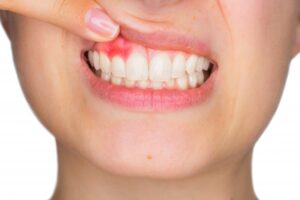
Gum disease is a common oral health problem that can cause red, swollen, or bleeding gums and, in advanced cases, loose teeth. If you’ve developed severe gum disease, you may wonder whether extracting the affected teeth will eliminate the infection. While tooth extraction can sometimes be necessary to address damage caused by advanced periodontal disease, it doesn’t automatically cure gum disease.
What Happens to Gum Disease After Tooth Extraction?
Gum disease begins when plaque and bacteria accumulate along the gumline, triggering inflammation. Without proper treatment, the infection can damage the tissues and bone supporting your teeth.
In advanced cases, a dentist or periodontist may recommend extracting teeth that are severely damaged or too loose to save. Removing these teeth eliminates the affected teeth and may help address localized sources of infection.
However, gum disease affects the tissues surrounding your teeth, not just the teeth themselves. Bacteria and inflammation can remain in the gums and periodontal pockets around neighboring teeth. If the underlying condition isn’t treated, the disease may continue progressing and threaten your remaining natural teeth.
Tooth extraction may be part of a comprehensive treatment plan, but it isn’t a substitute for periodontal care.
Can Gum Disease Affect Your Mouth After All Your Teeth Are Removed?
Even if all your natural teeth are extracted, certain forms of gum inflammation and oral infection can still occur. For example, bacteria can accumulate beneath dentures and irritate the tissues covering your gums.
Denture-related stomatitis can cause redness and inflammation, sometimes involving an overgrowth of yeast. Poor denture hygiene and wearing dentures continuously can contribute to this condition.
Additionally, people who have lost teeth because of advanced periodontal disease may still need treatment for existing inflammation or other oral health concerns.
Maintaining good oral hygiene remains important, even if you no longer have natural teeth.
How Can You Treat Gum Disease After an Extraction?
Your dentist can evaluate your gums and recommend treatment based on the severity of the disease. Depending on your needs, treatment may include professional cleanings, scaling and root planing, or other periodontal procedures.
If an infected tooth requires extraction, your dentist will also address the infection and surrounding tissues as appropriate.
After treatment, you can help protect your oral health by following these steps:
- Brush your remaining natural teeth twice daily with fluoride toothpaste.
- Clean between your teeth every day as recommended.
- Follow your dentist’s instructions for caring for the extraction site.
- Clean dentures daily and remove them at night unless instructed otherwise.
- Attend regular dental checkups to monitor your gums and oral tissues.
Avoid smoking, which increases the risk of gum disease and can interfere with healing.
Extracting teeth damaged by gum disease may be necessary, but it doesn’t guarantee that the disease will disappear. The bacteria and inflammation responsible for periodontal problems must also be addressed.
About the Author
Dr. Robert J. Sanker is a 1983 graduate of the Georgetown University School of Dentistry and a specialist in Prosthodontics. His peers have voted him one of the top prosthodontists in Washingtonian Magazine for the past 15 years, and he is President of the Rockville Dental Study Club. If gum disease has resulted in tooth loss for you, Dr. Sanker is specially trained and equipped to provide you with a state-of-the-art, personalized restoration. Visit our website for more information on our services or call our Rockville office at (301) 468-5566.